





Discover practical ways to reduce monthly expenses in 2026. Boost your savings and financial confidence. Start cutting costs today!
Learning how to reduce monthly expenses starts with tracking your spending for one month, then targeting your biggest cost categories. Focus on cancelling unneeded subscriptions, planning meals, and energy-saving habits. Many households can cut 15% to 20% from monthly budgets by addressing recurring payments and daily spending patterns.
Understanding Your Spending: The First Step to Reducing Expenses
Your bank statements tell a story, but most people never read past the balance. Download three months of transactions and categorize every expense. Housing, transportation, food, and entertainment often consume 70% to 80% of household budgets.
Track Everything for 30 Days: Use your phone notes to record cash purchases, subscription renewals, and impulse buys. This awareness can reduce spending without major lifestyle changes.
Look for patterns in your spending data. Tuesday coffee runs, weekend takeout orders, and unused streaming services add up quickly. Identify your three highest expense categories since they usually offer the biggest savings opportunities.
Smart Strategies for Cutting Recurring Costs and Daily Spending
Subscription services multiply faster than many people realize. Cancel unused memberships, then ask for better rates on services you keep. Many providers offer discounts when customers request to cancel.
-
Energy costs: Adjust your thermostat by 2 or 3 degrees and switch to LED bulbs.
-
Food expenses: Plan meals around sale items; cook and store larger dishes.
-
Transportation: Combine errands into single trips and maintain proper tire pressure.
-
Communication bills: Review phone and internet plans each year for better options.
Small daily changes create meaningful monthly savings. Brewing coffee at home saves about $120 per month for frequent cafe customers. Packing lunch three days per week reduces food costs by $200 to $300 monthly.
Beyond Personal Savings: Building Community Financial Strength
When you master expense reduction, the benefits extend beyond your bank account. Better financial stability supports families and neighborhoods through fewer missed bills and less reliance on high-cost debt.
Building Financial Resilience: Households that reduce expenses can build emergency savings faster, which helps during job changes, medical expenses, or economic downturns.
Smart expense management frees up resources for long-term goals. Instead of paying credit card interest, you can contribute to retirement accounts, education funds, or local businesses.
Sound budgeting also supports member-owned institutions. When members manage debt and savings well, credit unions like Broadview can continue investing in services that benefit their membership.
Creating a Sustainable Plan for Financial Well-Being
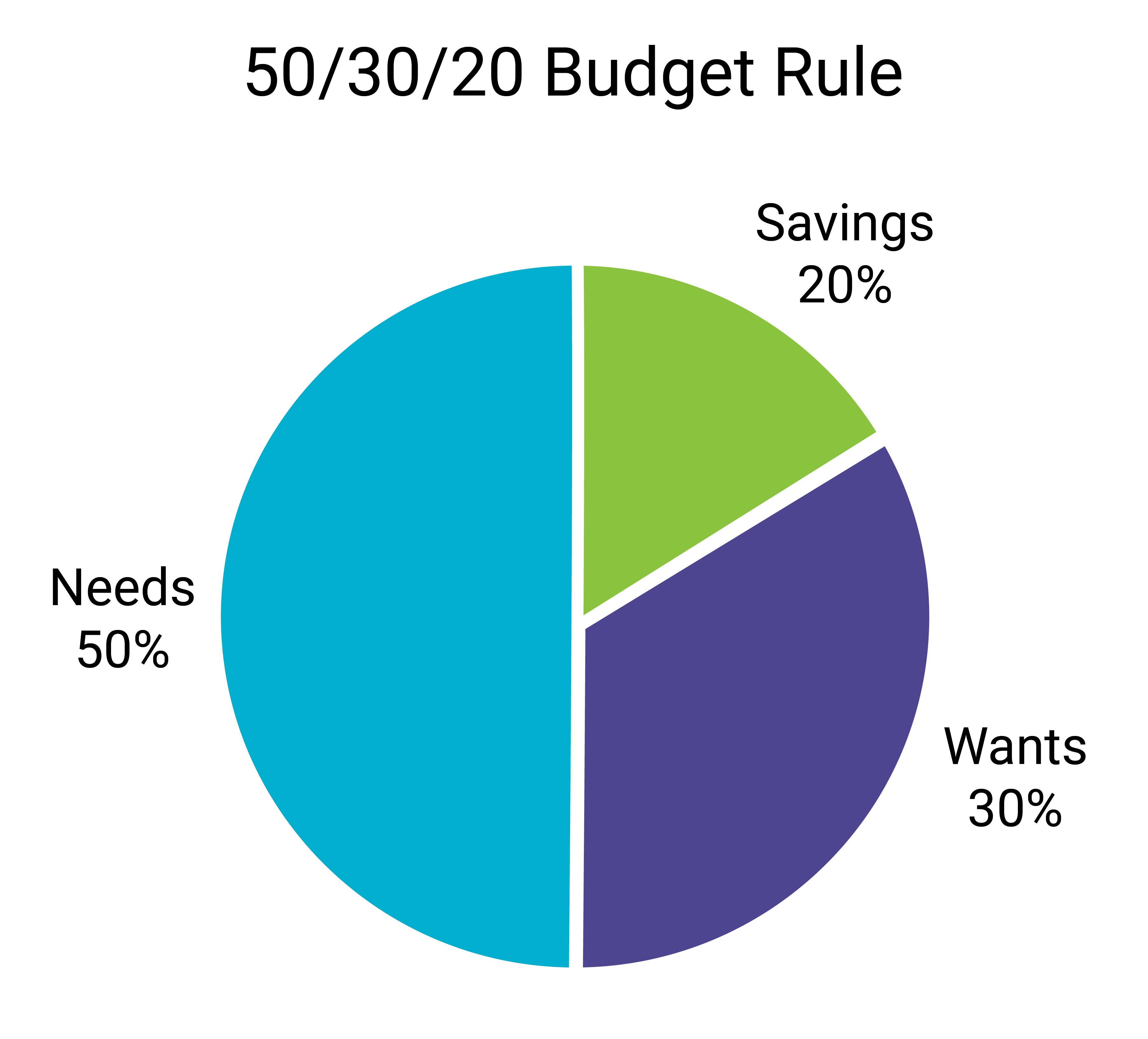
Sustainable expense reduction requires systems, not only willpower. Start with the 50/30/20 rule: allocate 50% of income to needs, 30% to wants, and 20% to savings. Adjust based on income, goals, and fixed costs.
-
Automate savings: Move the money you save into a separate account.
-
Review monthly: Schedule budget check-ins to stay consistent.
-
Set milestone rewards: Plan low-cost treats tied to specific goals.
-
Build flexibility: Allow a small variance for surprises.
Long-term results come from repeating simple habits. Keep focused on consistency, then refine one category at a time.
Turning Savings Into Long-Term Wealth
Once you reduce wasteful spending, redirect those dollars toward debt payoff, emergency savings, or investment accounts. This approach transforms short-term savings into lasting financial progress.
A household saving $400 per month sets aside $4,800 annually. Invested over 20 years with market-average returns, that amount could grow substantially, though results vary by market performance and fees.
The 1% Rule: Cutting total expenses by just 1% adds up over time. Small improvements in grocery shopping, utilities, and transportation increase savings without major sacrifices.
Adapting Your Approach to Life's Changes
Economic conditions shift, but the basics remain constant: track spending, reduce recurring costs, and plan for irregular expenses. During high inflation periods, prioritize fixed bills and essentials first.
Technology supports expense control. Smart thermostats lower energy use, apps help with grocery planning, and digital banking reduces avoidable fees. These tools become especially valuable during life transitions like marriage, parenthood, career moves, or retirement.
A repeatable system helps you maintain control when priorities change. The habits you build today will serve you through whatever comes next.
Key Takeaways
- Start reducing expenses by tracking your spending for one month.
- After tracking, focus on your largest spending categories.
- Review subscriptions, plan meals, and practice energy-saving habits.
- Addressing recurring payments and daily spending can cut 15% to 20% from monthly budgets.
Frequently Asked Questions
What is the first step to reducing monthly expenses?
The first step is to track your spending for at least one month. This involves categorizing all transactions from bank statements and noting cash purchases to understand where your money goes. Identifying your biggest cost categories will show you where to focus your efforts for the greatest impact.
How can I cut down on recurring monthly bills?
Start by auditing your subscriptions; cancelling any unused services and contacting providers for better rates on those you keep. For energy costs, adjust your thermostat and switch to LED bulbs. Regularly review your phone and internet plans to find more affordable options.
What daily habits can help reduce my spending?
Simple daily changes can add up to significant savings. Plan meals around sale items and cook at home, which can save hundreds each month. For transportation, combine errands into single trips and ensure proper tire pressure to improve fuel efficiency.
How can I build financial savings through expense reduction?
Once you reduce wasteful spending, redirect those saved dollars towards building an emergency fund or paying off debt. Automating transfers of your saved money into a separate account helps ensure consistency. This approach turns short-term savings into long-term financial progress.
What is a sustainable way to manage monthly expenses long-term?
A sustainable plan involves creating systems, not just relying on willpower. Consider the 50/30/20 rule, allocating income to needs, wants, and savings. Schedule monthly budget check-ins to stay consistent and build flexibility for unexpected costs.
How does reducing personal expenses benefit my overall financial well-being?
Reducing expenses helps you build emergency savings faster, providing stability during unexpected life events. It also frees up resources to contribute to long-term goals like retirement or education, rather than paying high-cost debt. This creates a stronger foundation for financial resilience.
Last reviewed: June 29, 2026 by the Broadview Team
