




How to Dispute Credit Report Errors
Credit Score
Learn how to dispute credit report errors with Broadview's 2026 guide. Fix inaccuracies and improve your credit score. Start disputing today!
Mistakes on your credit report can hurt your financial options. Each year, review your reports from Experian, Equifax, and TransUnion for errors like wrong balances, duplicate accounts, or outdated information. When you spot problems, contact the credit bureau directly with documentation. They have 30 days to investigate and fix confirmed errors.
What's Actually on Your Credit Report
Your credit report has four main sections. Personal information includes your name, address, Social Security number, and work history. Credit accounts show payment history, balances, and limits for each card or loan. Public records list bankruptcies, tax liens, or court judgments. The inquiries section shows who's checked your credit recently.
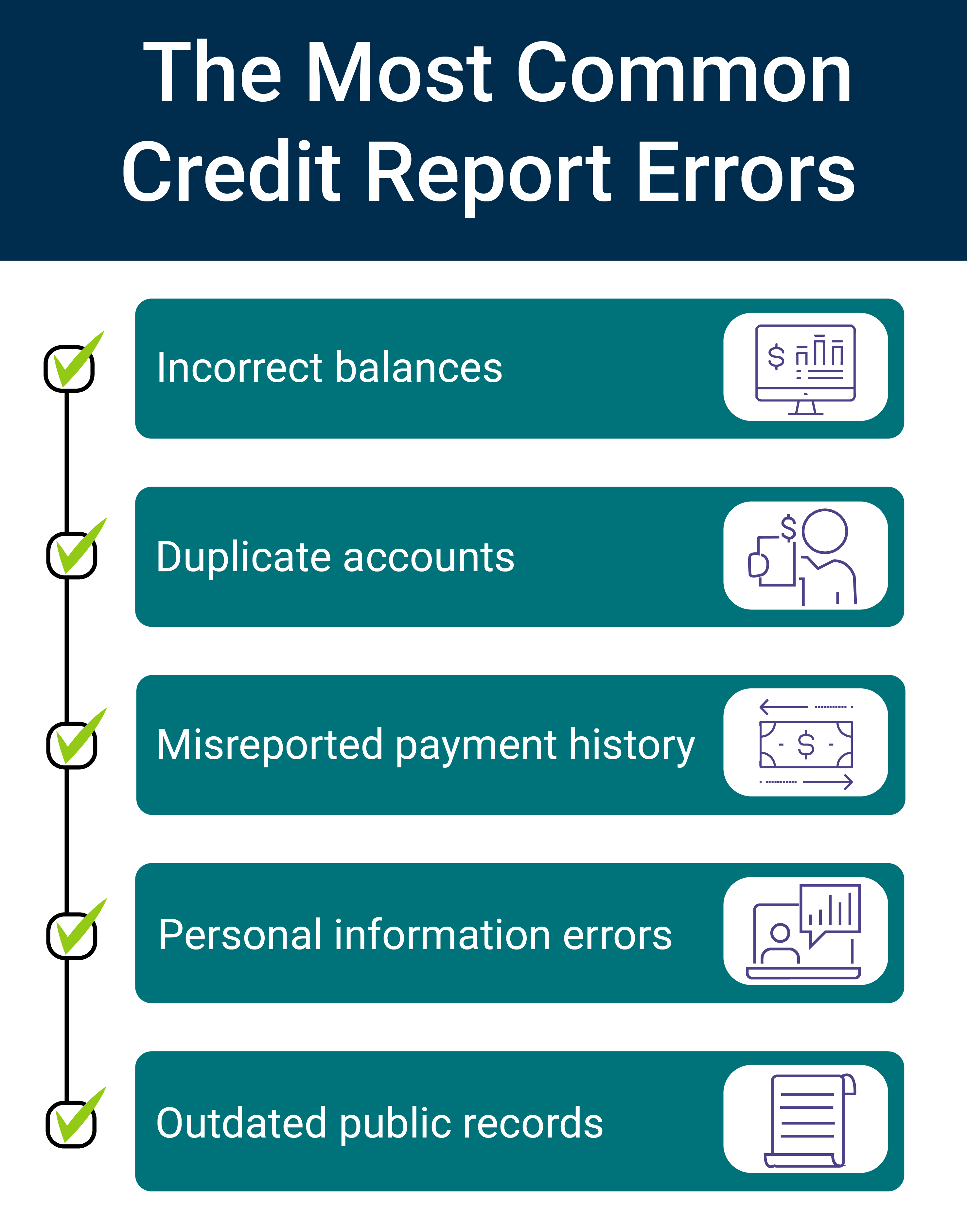
Watch for these common mistakes: wrong account balances, accounts that appear twice, payments marked late when you paid on time, and personal details that belong to someone else. Sometimes discharged bankruptcies or resolved tax liens stick around longer than they should.
Check All Three Reports: Each bureau may have different information about you. An error on one doesn't mean it's on all three.
How to Fix Credit Report Errors
Start at annualcreditreport.com to get your free reports. Print them out and circle anything that looks wrong. Gather proof: bank statements, receipts, letters from creditors, or court documents that back up your side.
Each bureau handles disputes differently. You can file online (fastest) or mail a letter (creates better records). Include your full name, address, Social Security number, and explain each error clearly. Send copies of your proof, never originals.
The bureau investigates and either fixes the error or tells you why they won't. If they agree with you, they'll send an updated report. This process matters when you apply for any loan or credit card since lenders rely on accurate information.
Keep Everything: Save copies of dispute letters, responses, and supporting documents. You may need them later.
Staying on Top of Your Credit
Don't wait a full year to check again. Many banks and credit card companies offer free monitoring that alerts you to changes. Set these up and check your reports every few months.
Keep good financial records. Save payment confirmations, account statements, and any letters from creditors for at least seven years. That matches how long most negative information stays on your report.
Good habits prevent future problems: pay bills on time, keep balances low, and only apply for credit when you need it. Clean credit reports help when you're ready for major purchases or financing decisions.
When You Need Help
Sometimes you can't handle credit problems alone. Contact a consumer law attorney if you're dealing with identity theft, someone else's accounts mixed with yours, or creditors who won't stop calling. Attorneys know consumer protection laws and can file formal complaints when needed.
Nonprofit credit counseling agencies offer education and debt management plans. They work with you for free or low cost and may negotiate with creditors. Avoid companies that promise instant fixes or demand money upfront.
Financial advisors can show you how credit affects your bigger picture. They explain how your score impacts loan rates, insurance costs, and long-term goals.
Realistic Timeline: Simple disputes often resolve in 30-45 days. Complex cases involving multiple bureaus or legal issues may take 2-3 months.
Making Your Dispute Count
Focus on errors that hurt you most: late payments that were actually on time, high balances that are wrong, or accounts that aren't yours. These mistakes can lower your credit score significantly.
Choose your method wisely. Online disputes work well for simple corrections. Mail letters when you have detailed explanations or lots of supporting documents. Follow up if you don't hear back within 30 days.
Accurate credit reports open doors. Whether you're planning a home purchase, considering personal financing options, or starting a business, clean reports help you qualify for better terms.
Preparing for What's Next
Credit reporting keeps evolving. Some newer scoring systems include rent and utility payments when available. Others flag suspicious activity faster but may also create false alarms.
Technology helps and hurts. Automated systems can catch fraud quickly but sometimes misinterpret normal activity as problems. That's why regular checking matters more than ever.
Many lenders now pull credit multiple times during loan processing and account reviews. Errors can affect decisions at any point, so staying current on your reports protects your options.
Frequently Asked Questions
How do I dispute an inaccurate credit report?
To dispute credit report errors, first obtain your free annual credit reports and identify any discrepancies. Gather supporting documents that prove your claim, such as bank statements or payment records. Submit your dispute directly to each credit bureau, either through their online portal or by mail, including a clear explanation of each error and copies of your evidence.
What are common credit report errors?
Common credit report errors include incorrect account balances, duplicate accounts, and inaccurate payment statuses. Outdated personal information, identity mix-ups where another person's details appear on your report, and public records that should be removed are also frequent issues. Checking all three reports, Experian, Equifax, and TransUnion, helps identify these discrepancies.
Can credit report errors be removed?
Yes, credit report errors can be removed through a successful dispute process. If a credit bureau confirms an error after its investigation, it will update your report accordingly. Persistence and clear documentation are key to achieving a corrected credit profile.
What is the process for removing errors from a credit report?
To remove errors, you must submit a dispute to each credit bureau reporting the inaccuracy. Provide your full name, address, Social Security number, and a detailed explanation of the error, along with copies of supporting documents. The bureau will then investigate and, if the error is confirmed, update your credit report.
How long does it take to resolve a credit report dispute?
Credit bureaus typically have 30 days to investigate a dispute and respond to you. Many disputes are resolved within 30 to 45 days. More complex cases, especially those involving multiple bureaus or legal issues, may take 60 to 90 days to reach a resolution.
When should I seek professional help for credit report issues?
Consider professional help if your disputes are repeatedly denied, involve complex legal issues like identity theft or mixed credit files, or affect major financial decisions such as mortgage applications. Consumer law attorneys can assist with legal matters, while credit counselors can provide education and debt management options.
